Skip to content

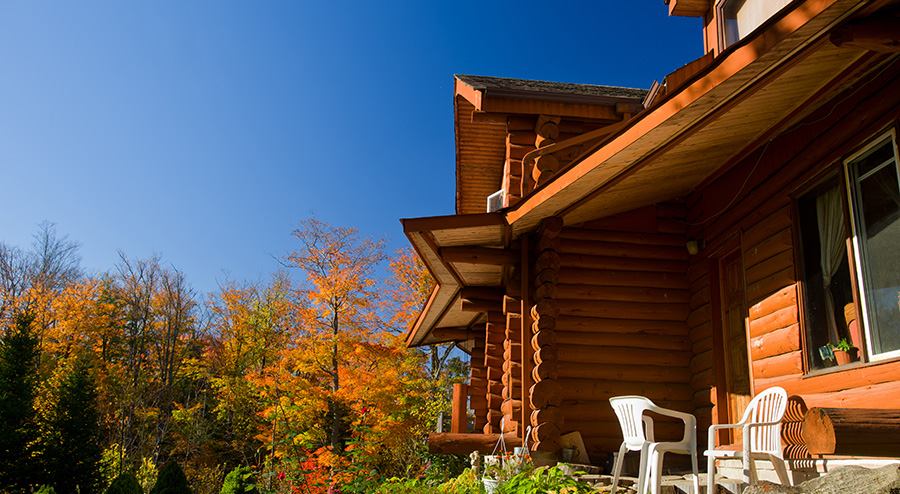
The last leaves are falling, the dock has been taken out of the water, and the patio furniture is stored away. For many cottage owners, October marks the time to close up their property until warmer days return.
You turn off the water, lower the heat, lock the door, and head back home.
Mission accomplished?
Not necessarily. There’s one more thing to check: your insurance.
A property that remains unoccupied for an extended period doesn’t face the same risks as a home that’s lived in every day. Depending on your insurance policy and how long you’re away, certain conditions may need to be met.
An Unoccupied Property Requires a Few Precautions
A cottage left unattended for several weeks or months can suffer damage that goes unnoticed for a long time.
A water leak that would have been detected quickly in an occupied home can cause extensive damage before the next visit. The same goes for a heating system failure, a burst pipe, or a break-in.
That’s why it’s important to check with your insurance broker about the conditions outlined in your policy when you’re planning to be away for an extended period.
The Autorité des marchés financiers (AMF) also reminds homeowners that certain changes in circumstances must be reported to their insurer and that important exclusions or limitations may apply when a residence is left unoccupied.
Frozen Pipes: A Winter Classic Best Avoided
In Quebec, a heating failure in January can quickly turn a minor issue into a major water damage claim.
The AMF recommends that homeowners who leave their property for several days during the heating season carefully review their insurer’s requirements.
Depending on the policy, you may need to arrange regular visits to ensure the heating system is working properly or shut off the water supply and drain plumbing systems that could be damaged by freezing temperatures.
The exact requirements can vary, so it’s always best to confirm them directly with your insurer or insurance broker.
This precaution is especially important for a cottage that will remain closed for much of the winter.
Lower the Heat? Yes. Turn It Off Completely? Be Careful.
It can be tempting to turn off the heat to save energy in a cottage that won’t be used for several months. However, if there’s still water in the plumbing system, those savings could end up costing you dearly.
If you keep the heating system running, make sure it’s reliable and that the temperature remains high enough to protect the plumbing.
Systems that allow you to remotely monitor indoor temperatures, power outages, or water leaks can also provide additional peace of mind. However, they don’t necessarily replace the obligations outlined in your insurance policy.
Give Your Cottage One Last Inspection Before Leaving
Closing your cottage for the season is also a great opportunity to carry out a quick inspection.
Check the roof and gutters, store outdoor items that could be blown away by strong winds, shut off outdoor faucets, and inspect any openings where water or small animals could get inside.
Also consider the belongings you’re leaving behind: tools, sports equipment, electronics, outdoor furniture, and other valuables.
Coverage limits and exclusions may vary depending on the type of property and the insurance protections you’ve selected.
What If You Decide to Use Your Cottage During the Winter?
Habits change. A cottage that used to remain closed from October to May may now be used on weekends, during the holidays, or even regularly thanks to remote work.
Conversely, a property that was once occupied frequently may now sit empty for several months.
That’s exactly the kind of change worth mentioning to your insurance broker.
Before You Lock the Door One Last Time…
A conversation lasting just a few minutes could help you avoid some unpleasant surprises.
Before closing your cottage for the season, **contact your insurance broker at Assurances Groupe Vézina to review your policy conditions, confirm your