Skip to content

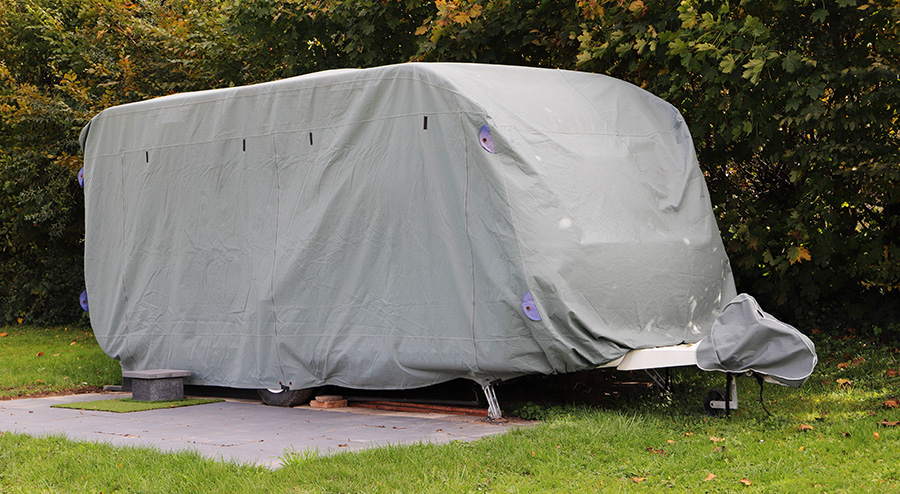
The road-trip season is coming to an end. After a few thousand kilometres, weekends at the campground and perhaps a big summer adventure, your recreational vehicle is getting ready for a well-deserved rest.
You drain the tanks, winterize the plumbing, remove the food and park the RV until spring. Mission accomplished?
Not quite.
Storing an RV isn’t just about maintenance. It can also have an impact on your insurance. Certain decisions made in the fall could leave you less protected than you think if something happens during the winter.
Here are some mistakes to avoid.
1. Cancelling your insurance completely for the winter
Your RV won’t be on the road for several months. So why keep paying to insure it?
Because parked doesn’t mean risk-free.
A stored recreational vehicle can still be damaged by fire, theft, vandalism, a falling tree or certain weather events, depending on the coverage provided by your policy.
It may be possible to adjust some of your coverage during the storage period, but avoid simply cancelling your insurance without first discussing it with your broker.
The money you save could seem pretty insignificant compared to the financial loss if your RV is seriously damaged during the winter.
2. Choosing a storage location without checking the conditions
In your driveway, on a private lot, in a barn, a warehouse or a commercial storage facility: there are plenty of options.
But before leaving your RV with a third party, check both your insurance coverage and the terms of the storage agreement.
Who is responsible if the building catches fire? What happens if your RV is vandalized or damaged by another vehicle? Does the storage facility have its own insurance?
Don’t assume that the company storing your RV automatically insures it against every possible type of damage.
3. Neglecting proper winterization
In Quebec, this one can get expensive.
A small amount of water left in a pipe, water heater or plumbing component can freeze, expand and cause damage.
And insurance is not a maintenance program.
Damage resulting from wear and tear, gradual deterioration or inadequate maintenance may be excluded from your policy. It’s therefore important to follow the manufacturer’s recommendations when preparing your vehicle for winter.
Proper winterization protects your RV… and greatly reduces the risk of unpleasant surprises in the spring.
4. Leaving valuables inside
Televisions, electronics, tools, camping gear, bicycles, clothing: over time, an RV can end up holding an impressive amount of personal property.
Before putting your RV into storage, remove any valuables you don’t need to leave inside.
Depending on your policy, some personal belongings may be covered differently from the vehicle itself or may be subject to specific coverage limits.
This is also a good time to take a few photos of the inside of your RV and keep receipts for important equipment.
5. Forgetting about mice and other winter visitors
RV owners know them well: those tiny visitors that somehow manage to find an opening you could have sworn didn’t exist.
Rodents can damage cushions, insulation, pipes and even electrical wiring.
However, damage caused by pests or rodents may not be covered by your insurance.
Before storing your RV, inspect it for possible entry points, remove all food and take appropriate preventive measures.
Your RV is comfortable. There’s no need to turn it into a winter cottage for mice.
6. Not checking your RV for several months
Stored doesn’t mean forgotten.
If you have access to your vehicle during the winter, an occasional inspection can help you quickly spot water infiltration, excessive snow accumulation, problems with the protective cover or signs of unwanted animal visitors.
A small problem caught early is often much easier to deal with than damage that has been developing for four months.
If your RV is stored in a commercial facility, ask about the monitoring and inspections performed throughout the winter.
7. Not telling your broker about an important change
Have you changed storage locations? Will your RV now be stored outdoors instead of indoors? Have you installed new equipment or made significant modifications?
Talk to your broker.
Not every change will necessarily affect your premium or coverage. But when it comes to insurance, it’s better to ask the question before storing your RV than to discover a special condition after a loss.
Proper storage also means proper protection
Preparing your recreational vehicle for winter isn’t just about draining the tanks and adding antifreeze.
It’s also a good time to review your insurance.
Before putting your RV away for the next few months, contact your broker at Assurances Groupe Vézina. They can review your coverage during the storage period and make sure your policy reflects how and where your vehicle will be stored.
Then you can wait for spring with one less thing to worry about.
The mice, on the other hand… they never really take the winter off.